Kategoriarkiv: Boende

Condé Nast Traveller – The Latest in Sri Lankan Luxury

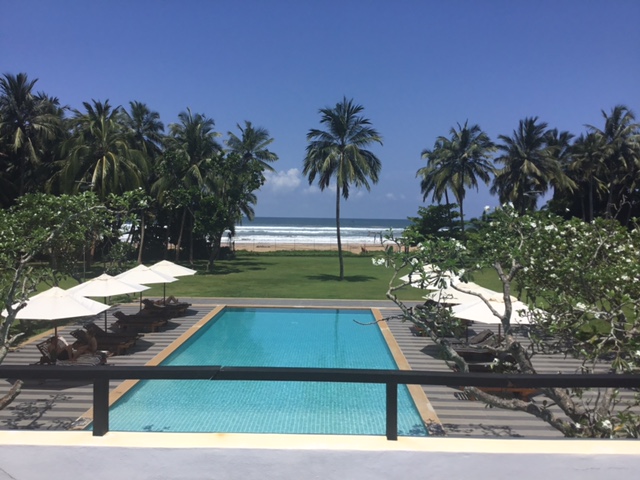
Härlig bilaga från Condé Nast Traveller.

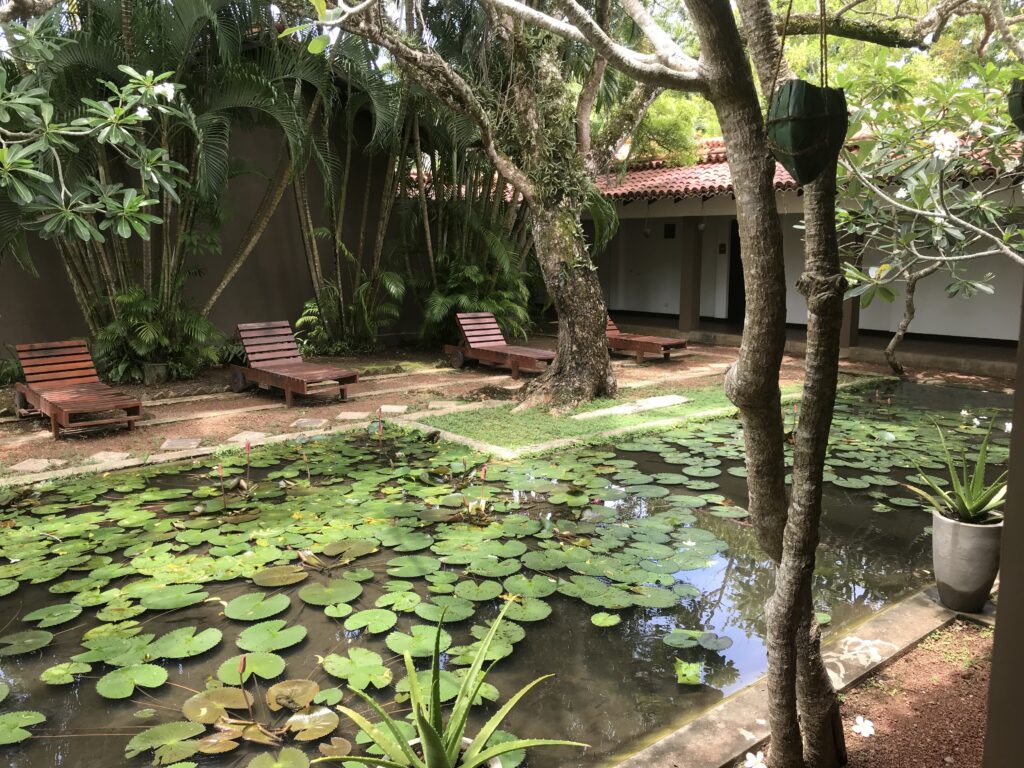
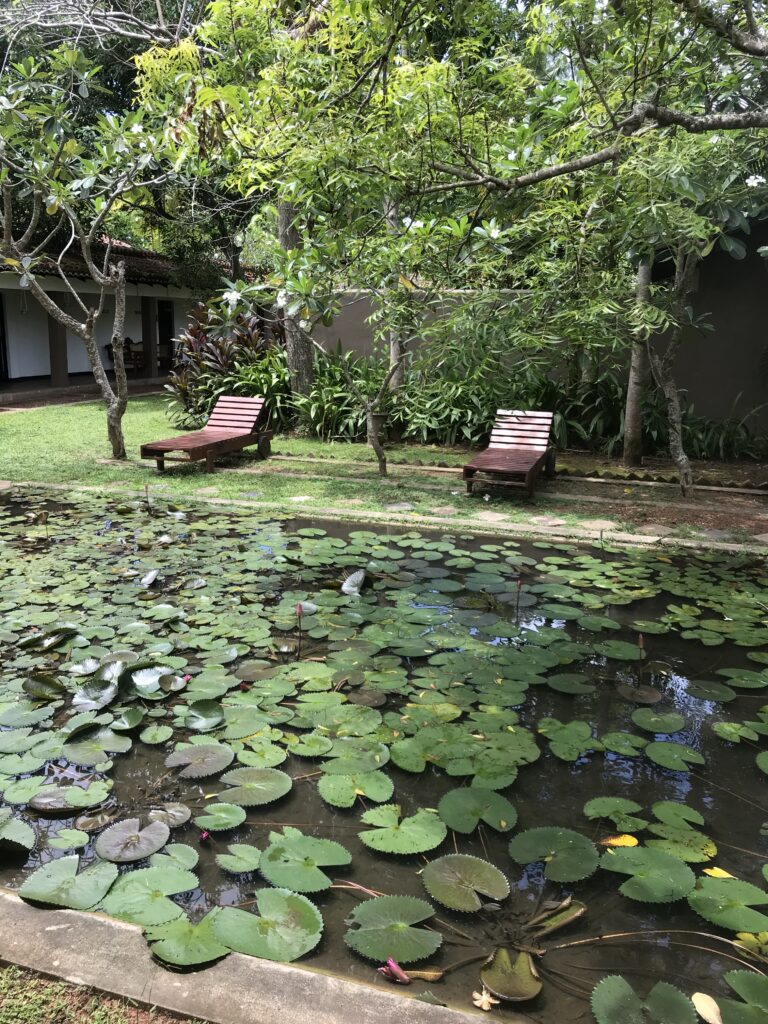
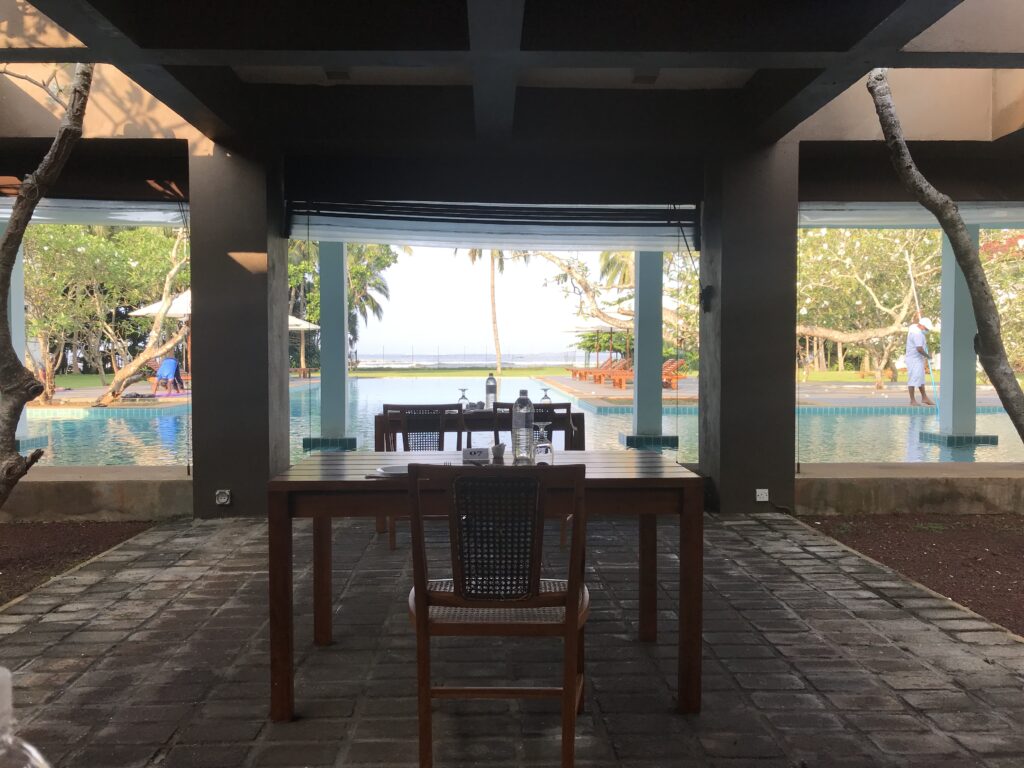
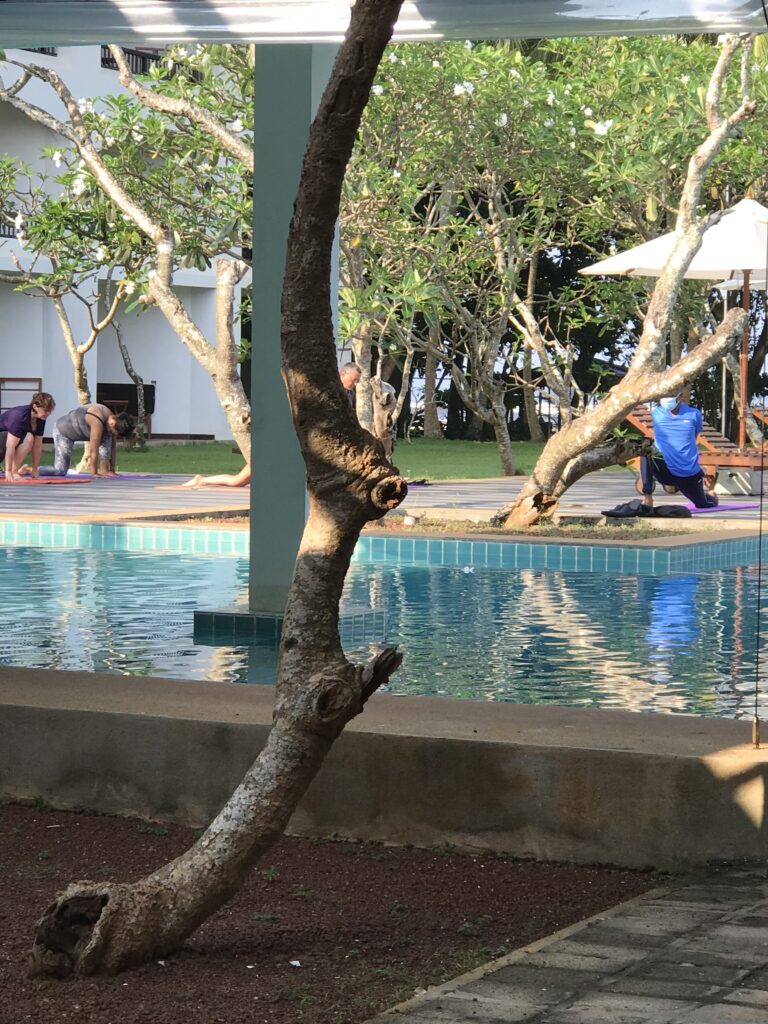
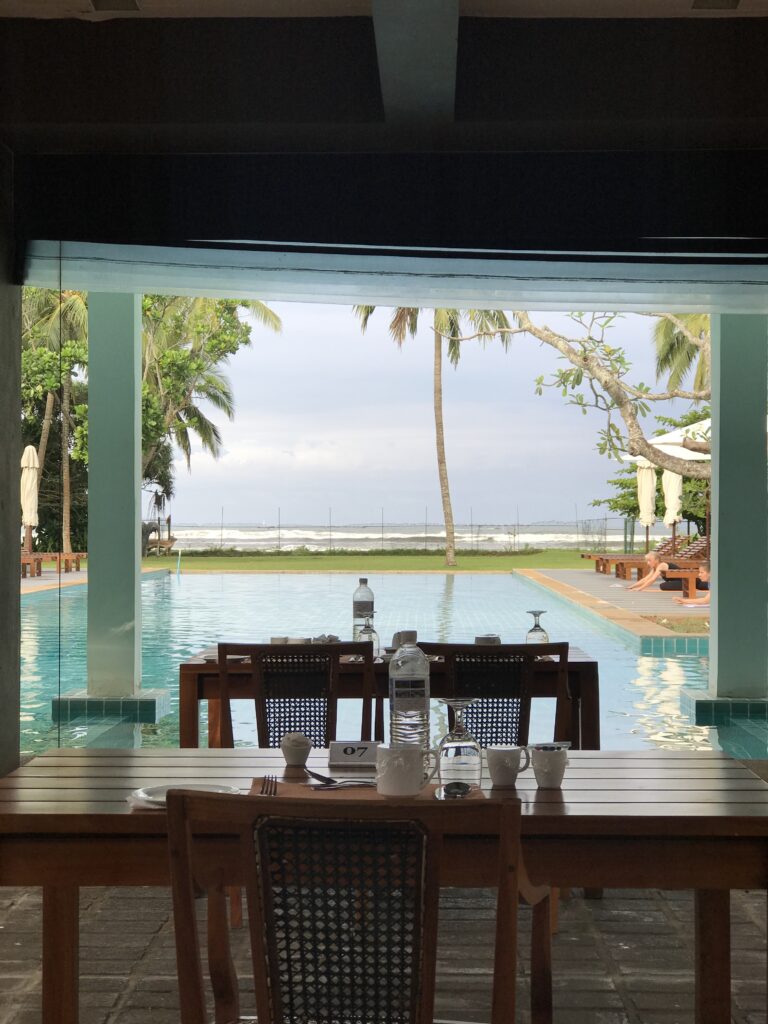
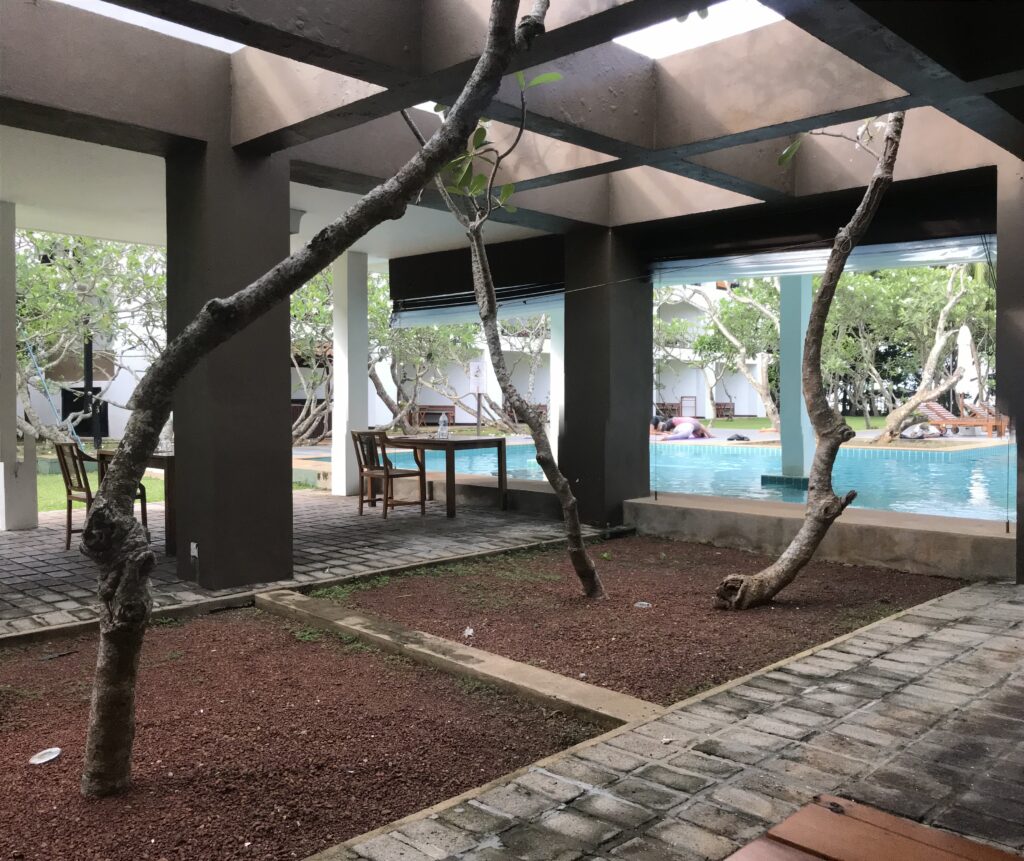
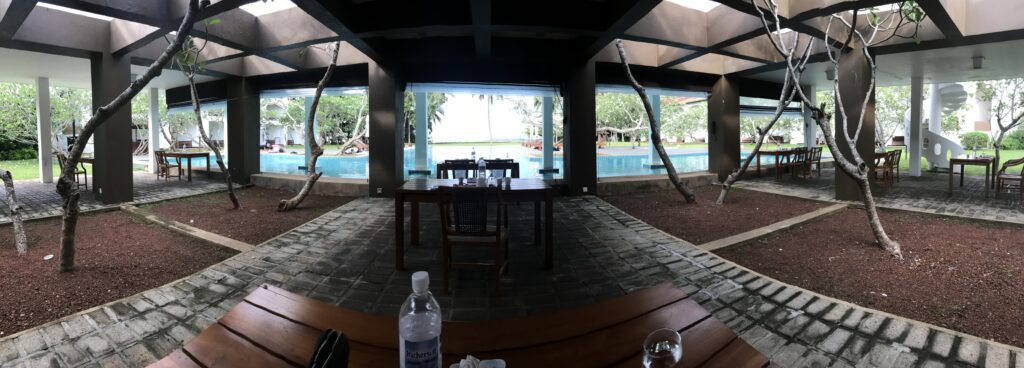
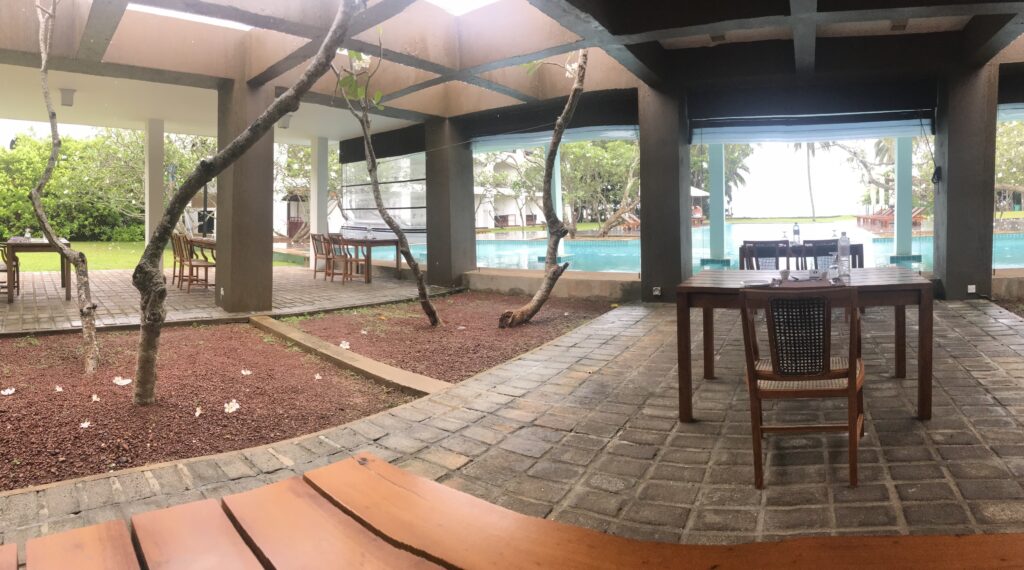
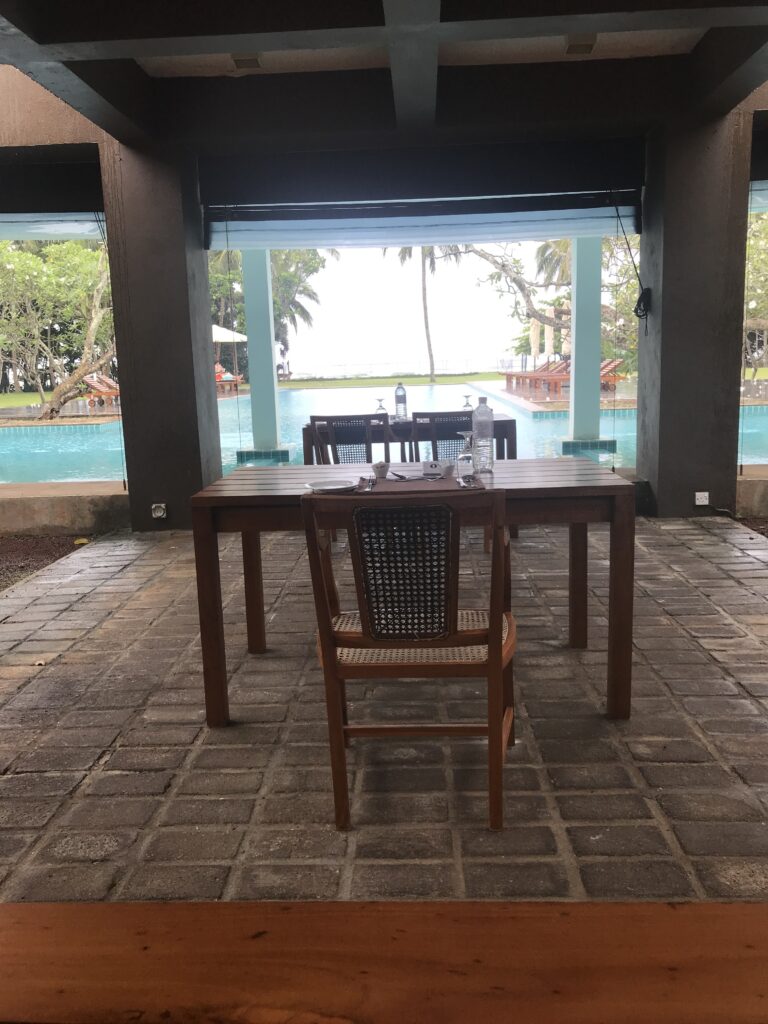
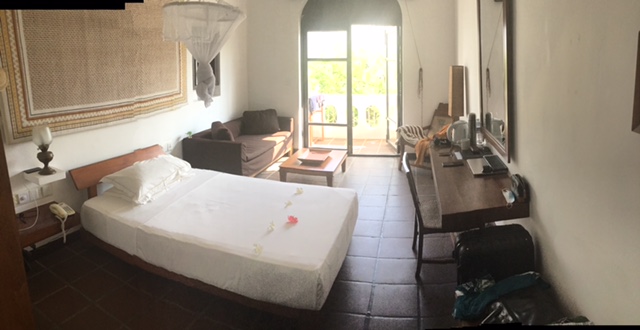
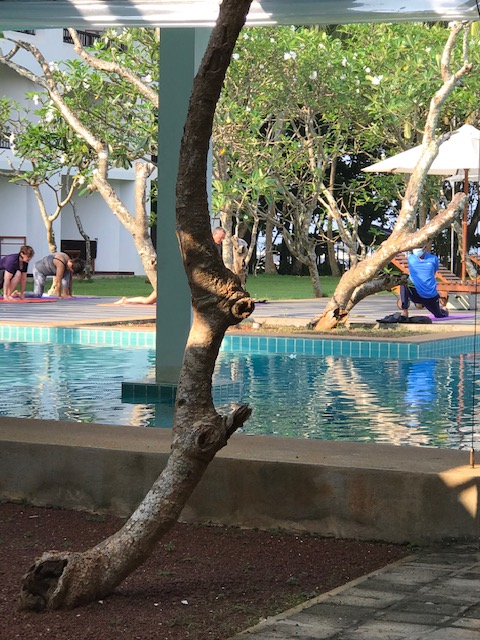
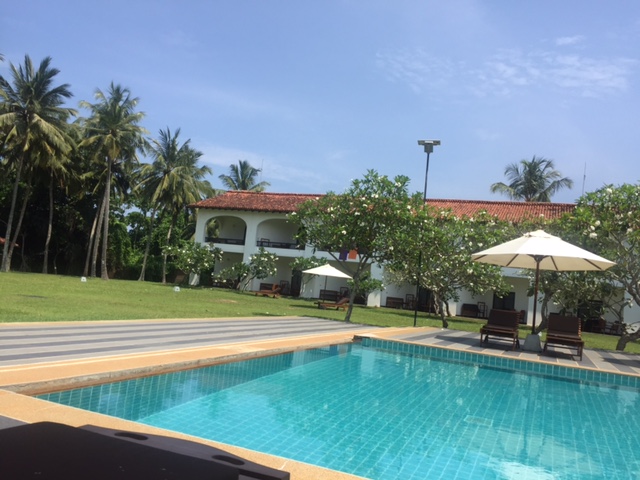
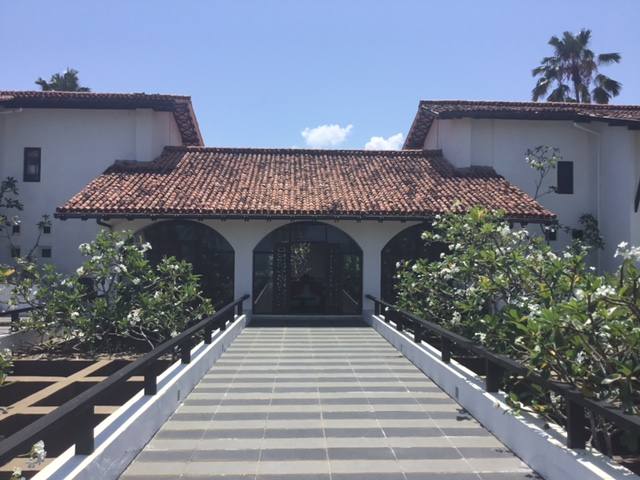
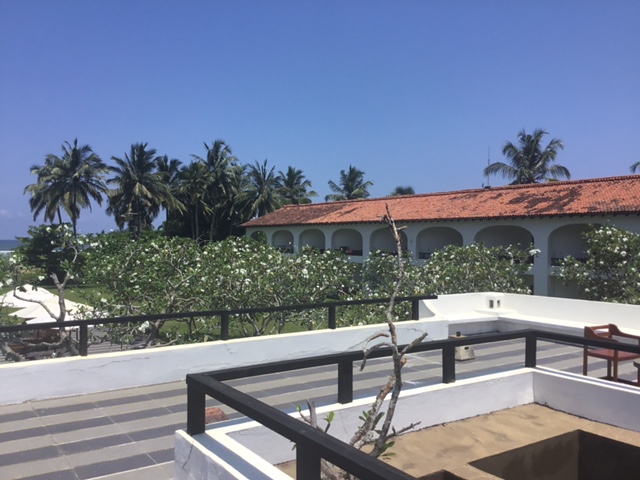
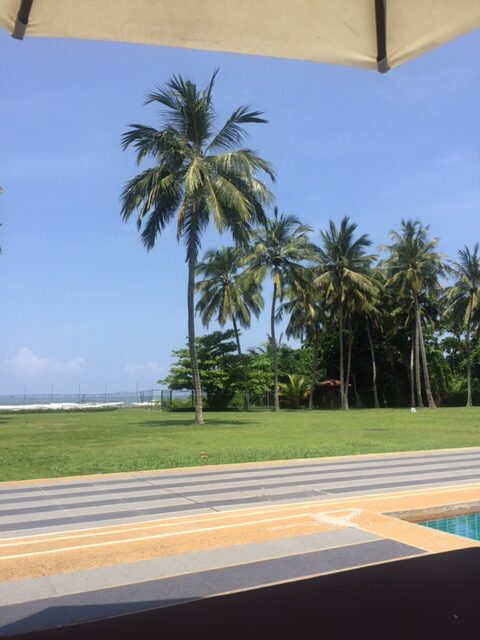
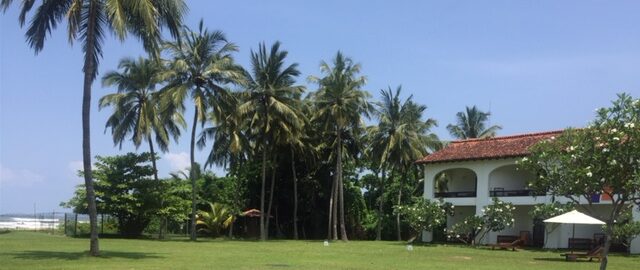
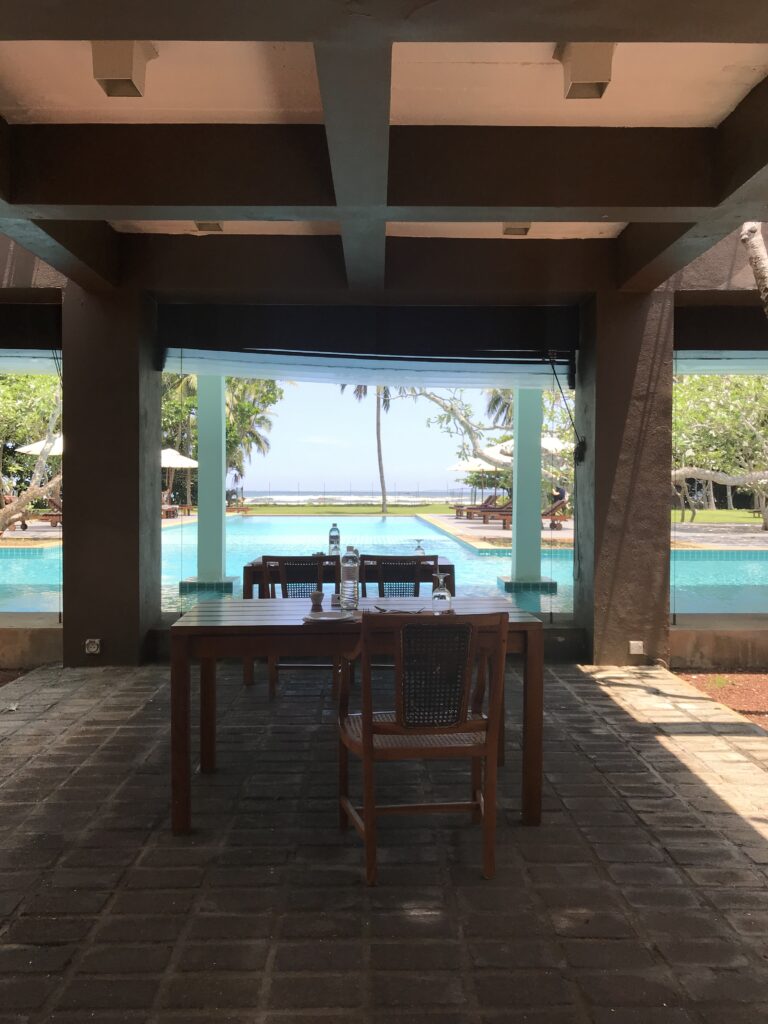
Bläddra gärna till sid 20 för att läsa om Asaya som vi varmt rekommenderar för turisten, men också för den mindre konferensen med företaget, workshop och ledningsgruppen. Passar också utmärkt för den som vill #workfromanywhere

https://asaya.lk/wp-content/uploads/2025/11/CN_NOV-DEC-JAN_2025-26.pdf

Reseberättelse – Remotejobb en vinter från Sri Lanka

Lagom till att höstkylan slog till började planeringen för att fly vintern någon månad och utgå från något ställe där solen skiner mer än i Sverige. Via Leif på House of Sri Lanka (kontorskompis på Convendum-coworking) såddes fröet om att Sri Lanka var den optimala destinationen för oss. Efter att ha fått grönt ljus från vår arbetsgivare bar det av precis efter nyår.

Flyg med Qatar Airways och långt transitstopp i Doha, hann med en tur in till centrum och en drink i en av skybarerna innan det var dags att återvända till flygplatsen och flyga vidare till Colombo. Väl på plats blev vi upphämtade av vår förbeställda taxi och siktet var inställt på Ahangama på sydkusten som vi hört gott om. 

Vi märkte tidigt att Ahangama är ett up-and-coming-ställe med många surfarturister. Första månaden bodde vi i ett guesthouse med otrolig husservice av husvärd Priyanke med familj och spenderade arbetsdagarna på Animals Ahangama (https://www.instagram.com/animalsahangama/), ett nyöppnat hotell som drivs av två svenskar (Arvid & Anndala) med både coworking-yta och bra wifi. Nalin i köket gjorde dessutom grym mat, och Elio stog för kaffet och AW-drinkarna i restaurangdelen. Fantastiskt ställe som rekommenderas starkt!

I ”byn” gillade vi annars pizzan och karaokemåndagarna på Crust (https://www.instagram.com/crust_ahangama/), skateboardtorsdagarna på Lamana (https://www.instagram.com/lamana_ahangama/) och biljardhänget på Pelican (https://www.instagram.com/pickledpelican/). En tuk-tuk-sväng bort finns också The Doctor’s House som kör öppet onsdagar & lördagar (https://www.instagram.com/the_doctors_house/). Bäst Sri Lankesisk take-awaymat hittade vi på A’la carte (https://www.tripadvisor.se/Restaurant_Review-g674590-d13353496-Reviews-A_la_carte_restaurant-Ahangama_Galle_District_Southern_Province.html). Gillar man bastu och isbad finns Ember and Ice (https://www.instagram.com/emberandiceahangama/), som också är svenskdrivet.

Eftersom vi har en svensk arbetsgivare som vi synkar våra arbetstider med, och tidsskillnaden vintertid är 4,5 timmar från Sri Lanka, har vi några morgontimmar att nyttja medan kollegorna i Sverige fortfarande sover. En vanlig arbetsdag vaknar vi när kroppen är utvilad (inget jobbigt alarm behöver ställas) och inleder med ett träningspass innan det blir alltför varmt ute. Därefter väntar en rejäl frukost och en promenad till ”kontoret” för att jobba undan lite mail och annat ostört. Ett dopp i poolen, en schackmatch och en kaffe hinns med innan det runt lunchtid lankesisk tid är dags att checka in för arbetsdagen med kollegorna hemma i Sverige. Framåt 19–20-tiden rundar vi av, någon enstaka gång hade vi möten senare än så.

Stort plus både för energin och produktiviteten med dessa dagar jämfört med att starta morgonen i snö och minusgrader och trängas på tunnelbanan på väg mot kontoret!

Några rekommendationer för dig som tänkt distansjobba från Sri Lanka:

  • Fixa ett SIM-kort: Vi sitter i många Teams-möten om dagarna, så wifi var en liten oro på förhand. På alla coworkingställen vi jobbade ifrån funkade det dock klockrent med bra fiberanslutning. Men som backup eller när man är på språng, funkade internetdelning via Dialog-abonnemanget vi hade som e-sim. Kostade inte många kronor!
  • Fixa en powerbank: Utifall en apa sänker elsystemet på hela ön. https://www.svt.se/nyheter/utrikes/apa-orsakade-elavbrott-i-hela-sri-lanka
  • Akta dig för hundar: Det enda jobbmötet som behövde ställas in var efter ett hundanfall på en löprunda som slutade med ett par upprivna shorts och ett litet bett i vänster lår. Resultatet blev fyra rabiessprutor på sjukhuset i Galle, men allt gick bra och vi fick fantastisk hjälp!

Efter en månad i Ahangama rörde vi oss lite längre österut på sydkusten, till bland annat Hiriketiya – ett lite lugnare ställe med två riktigt fina stränder! Där jobbade vi från Verse Collective (https://www.instagram.com/verse_collective/). Vi har också en stark rekommendation att besöka Smoke & Bitters (https://www.instagram.com/smoke.bitters/), framröstad som Asiens 14:e bästa bar och världens 86:e bästa. Grym mat och grymma drinkar!

Sen hann vi åka runt lite på andra ställen innan hemfärd, bland annat gjorde vi den klassiska Ella–Kandy-tågresan över en helg. Vi tillbringade även några dagar i Mirissa, där vi fått rekommendation om Asaya Sands som är nyöppnat (https://www.instagram.com/asayasands/). Tyvärr var det inte färdigt ännu när vi var där. Surfpremiären gjordes på ett litet ställe som kallades SK Town, perfekt strand för nybörjare som oss!

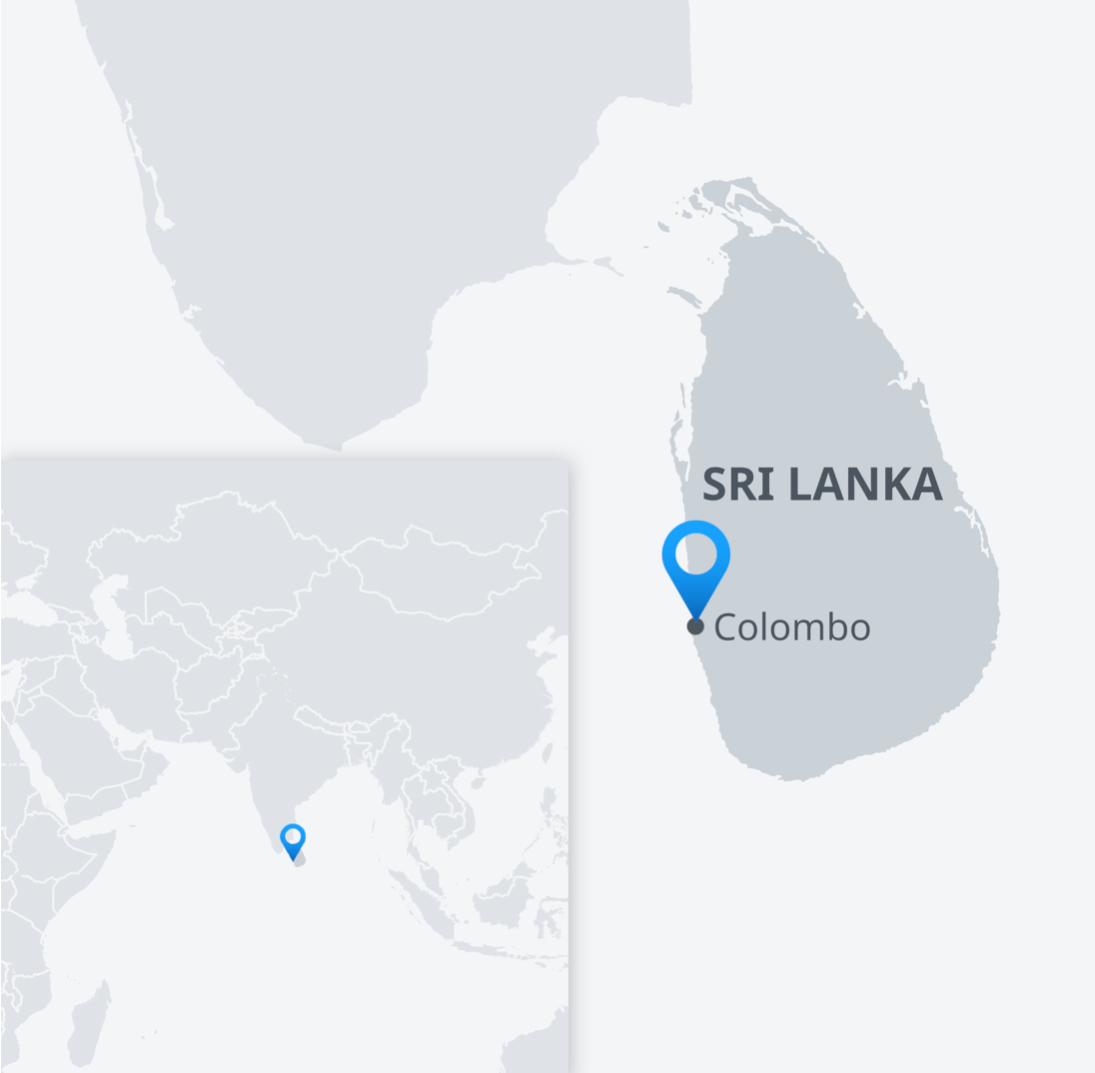
Huvudstaden Colombo blev sista stoppet några dagar på slutet, innan vi flög vidare till Maldiverna för några semesterdagar innan hemfärd. 1,5h flyg till Malé bara! Vi bodde på en lokal ö (Thulusdoo) istället för på de lyxiga resortsen. Första kvällen & natten blev kanske inte som det Maldiverna man sett på bilder, värsta regnovädret på Maldiverna som någonsin uppmätts, så vi fick evakuera boendet eftersom det var vatten över sängkanten: https://mfr.mv/public-sector/record-breaking-rainfall-hits-maldives-on-first-day-of-ramadan?utm_source=chatgpt.com

Men tillslut fick vi några fina dagar även där som avslut på två fantastiska månader! Som summering så kan vi verkligen rekommendera Sri Lanka för distansarbete, och vi hoppas återvända fler vintrar!

/William & Marcus

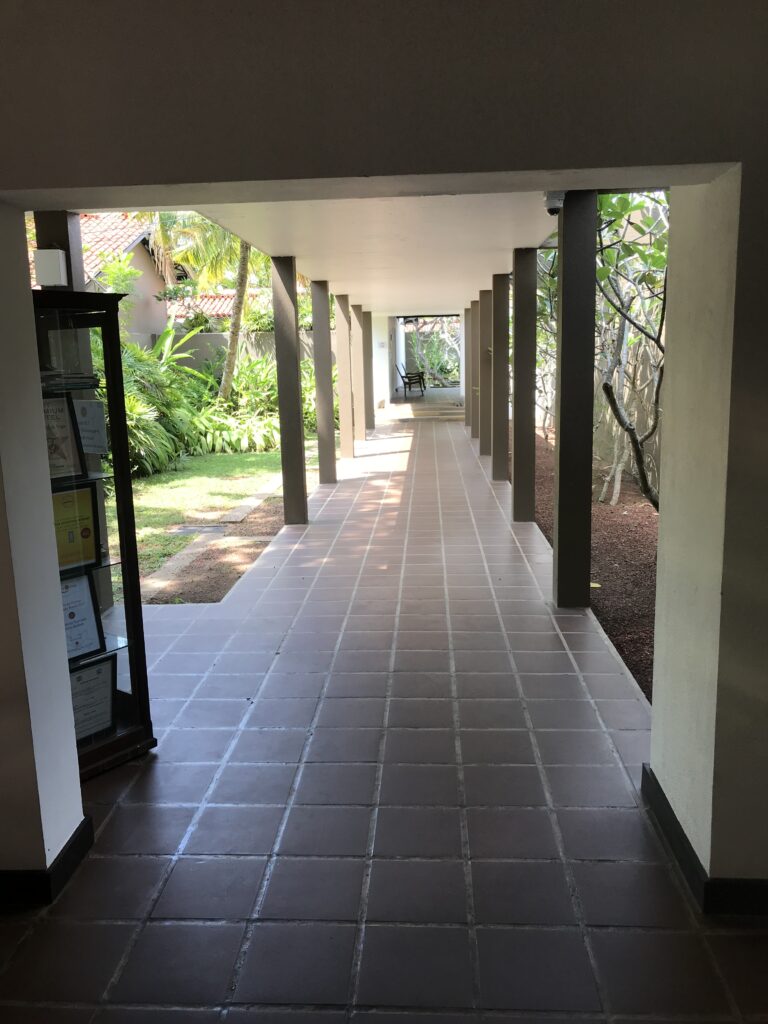
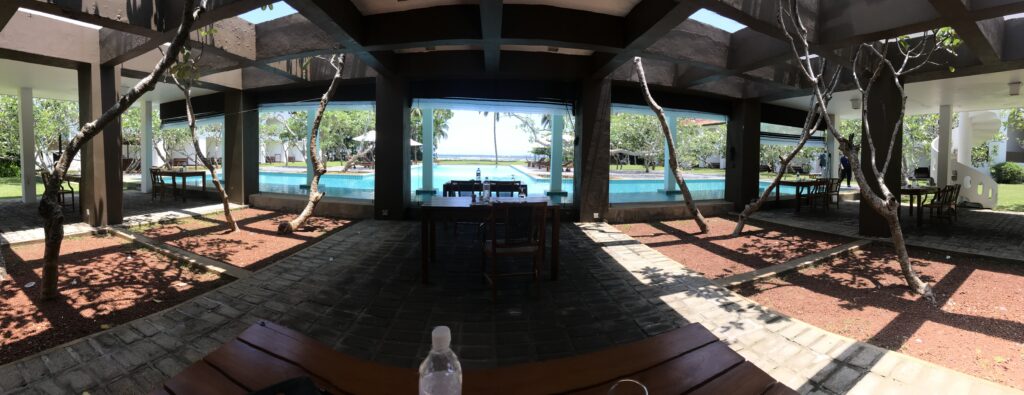
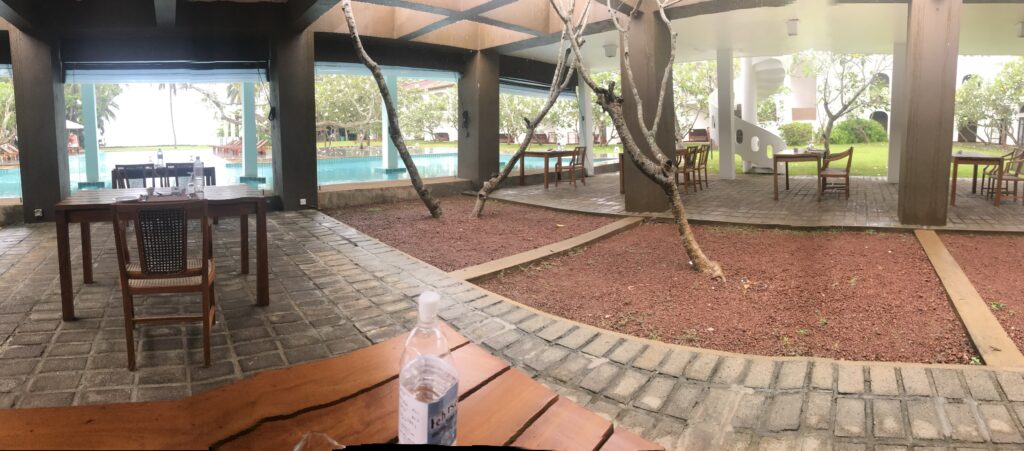
Asaya Sands – Mirissas nya mötesplats för arbete och avkoppling

Välkommen till Asaya Sands – ett nyöppnat boutiquehotell i Mirissa på Sri Lankas södra kust, perfekt för dig som vill kombinera arbete med välförtjänt vila på paradisön.

Med moderna co-workingmöjligheter, snabbt Wi-Fi och välutrustade ytor för konferenser, workshops och ledningsgruppsmöten, erbjuder Asaya Sands en inspirerande miljö för mindre företag eller team som söker nya perspektiv.

Här får du inte bara utmärkt teknisk standard och personlig service, utan även närhet till havet, naturen och det bästa av Sri Lankas kultur och mat.

Mirissa, Sri Lanka
Arbeta smart – koppla av ännu smartare

thinking about buying and investing in Sri Lanka real estate!

Frequently Asked Questions from north americans thinking about buying and investing in Sri Lanka real estate!

Can foreigners own property in Sri Lanka?−

Foreigners have restricted property ownership rights in Sri Lanka. The key limitations and options are:

  • Land Ownership: Foreigners are generally prohibited from purchasing freehold land directly, with a 100% tax on land value making such transactions economically impractical
  • Condominium Ownership: Foreigners can purchase freehold condominium units on or above the 4th floor (ground floor counting as the 1st floor) with full ownership rights
  • Leasehold Arrangements: Long-term leases of up to 99 years are available for land and standalone properties
  • Company Structures: Property can be owned through a Sri Lankan company, though foreign ownership greater than 50% designates it as a “foreign company” with additional restrictions
  • Special Economic Zones: The Colombo Port City project has specific foreign ownership provisions distinct from the rest of the country

These restrictions aim to protect local land ownership while still allowing foreign investment in specific sectors. The condominium law provides the most straightforward route for foreign investors seeking full ownership rights. The “Sri Lanka My Dream Home” visa program introduced in 2023 offers residency options for property buyers but does not change the fundamental ownership restrictions.

What are the best areas for real estate investment in Sri Lanka?−

The most promising investment areas in Sri Lanka vary based on your investment goals:

  • Colombo (Western Province): The capital city offers the most liquid market with luxury condominiums providing stable rental yields (4-6%) and moderate appreciation. The Colombo Port City development represents a unique special economic zone opportunity with potential for higher returns.
  • Southern Coast (Galle, Unawatuna, Weligama): This region has established tourism infrastructure and international recognition. Properties here can achieve 6-10% rental yields with strong seasonality and appreciation potential in prime beachfront locations.
  • Eastern Coast (Trincomalee, Pasikudah): An emerging region with some of the country’s best beaches and lower entry points. Higher risk profile but greater appreciation potential as infrastructure develops.
  • Central Highlands (Kandy, Nuwara Eliya): The cooler climate region offers unique colonial properties and plantation estates. Growing retirement and tourism market with moderate yields (5-8%) and stable values.
  • Western Coast (Negombo, Bentota): Proximity to the international airport makes these areas attractive for short-term rentals and weekend tourism from Colombo.

For purely investment-focused buyers, the southern coast currently offers the best balance of established tourism, rental potential, and appreciation prospects. Colombo provides greater stability and liquidity, while eastern regions offer higher potential returns with corresponding risk. Consider your risk tolerance, time horizon, and whether personal use is a factor when selecting your target area.

What are the total costs involved in purchasing property?−

When purchasing property in Sri Lanka, budget for these additional costs beyond the purchase price:

  • Stamp Duty: 4% of the property value
  • Registration Fee: 1% of the property value
  • Notary Fees: 1-2% for document preparation and execution
  • Legal Fees: 1-2% for comprehensive legal services
  • VAT: 15% may apply to luxury properties valued above LKR 25 million (often included in the listed price)
  • Real Estate Agent Commission: 3-5% (typically paid by seller)
  • Currency Transfer Costs: 1-3% for international transfers

For condominiums or properties requiring minimal renovation, total transaction costs typically range from 8-12% of the purchase price. For properties requiring significant renovation or those purchased through company structures, add another 5-15% for setup and improvement costs.

Additionally, when budgeting for ongoing ownership, plan for:

  • Property tax: 0.5-1% of property value annually
  • Insurance: 0.2-0.5% of property value annually
  • Management fees: 10-20% of rental income (if applicable)
  • Maintenance reserve: 1.5-2.5% of property value annually (higher than in temperate climates)

These costs vary somewhat by location and property type, but should be factored into your investment calculations to accurately assess potential returns.

Can I get residency in Sri Lanka through property investment?−

Note: Recent reports suggest the “Sri Lanka My Dream Home” visa program may no longer be available to new applicants or may have undergone significant changes. Prospective investors should confirm the current status with the Department of Immigration and Emigration before planning their investment strategy.

Previously, Sri Lanka offered a pathway to residency through property investment via the “Sri Lanka My Dream Home” program. The program details were as follows:

  • Investment Requirement: Purchase of property worth a minimum of $150,000 USD
  • Visa Duration: 5-year multiple-entry residence visa
  • Benefits:
  • Residence rights for the investor, spouse, and dependent children under 18
  • Multiple entries to Sri Lanka throughout validity period
  • Pathway to permanent residency with continuous residence
  • No minimum stay requirements to maintain visa status
  • Property Types: Condominiums and apartments qualify (must be on or above 4th floor as per foreign ownership laws)

Alternative residency options may include:

  • Investor Visa: For business investments of $250,000+ (can include commercial real estate)
  • Resident Guest Scheme: Requires $15,000 fixed deposit in a Sri Lankan bank
  • Retirement Visa: For individuals over 55 with monthly income of $1,500+ or fixed deposit
  • Digital Nomad Visa: For remote workers with verified income of $2,000+ monthly

For the most current information on residency options, prospective investors should contact the Department of Immigration and Emigration in Sri Lanka directly.

What are the tax implications for foreign property owners?−

Foreign property owners in Sri Lanka face several tax obligations:

  • Rental Income Tax:
  • Progressive rates from 4% to 24% based on income level
  • 6% withholding tax collected by tenants or property managers
  • Annual tax return filing requirement
  • Limited deductions for expenses and depreciation
  • Property Tax:
  • Annual rates vary by municipal council (typically 30-35% of annual rental value)
  • Based on potential rental income assessment
  • Paid to local authority quarterly or annually
  • Capital Gains Tax:
  • 10% for individuals (with an announced increase to 15% in the 2025 budget)
  • 30% for companies
  • Filing required within 60 days of transaction
  • Special rules for properties held in companies
  • Remittance Tax:
  • 14% withholding tax on profit remittances overseas
  • Applies when transferring rental profits out of Sri Lanka
  • Proper documentation required to avoid double-taxation
  • Value Added Tax (VAT):
  • 18% applies to luxury property sales (above LKR 25 million)
  • Usually included in purchase price for new developments

Most foreign investors will also face tax obligations in their home country:

  • U.S. Citizens: Must report worldwide income, though Foreign Tax Credits may offset Sri Lankan taxes paid
  • Canadian Residents: Report foreign property on Form T1135 if value exceeds CAD $100,000
  • Most Countries: Tax treaties help prevent double taxation but specific mechanisms vary

Tax laws change frequently, and Sri Lanka implemented significant tax reforms in 2023-2024. Working with tax professionals in both Sri Lanka and your home country is essential to ensure compliance and optimize your tax position.

How does the Sri Lankan property market compare to other Asian markets?−

Sri Lanka’s property market has distinct characteristics compared to other Asian investment destinations:

  • Affordability: Significantly lower price points than Singapore, Hong Kong, or major Thai destinations. More comparable to emerging markets like Vietnam or Cambodia.
  • Yield Potential: Higher rental yields (5-10%) than mature Asian markets like Singapore (2-3%) or Hong Kong (2-3%).
  • Foreign Ownership Restrictions: More restrictive than Thailand or Malaysia for land ownership, but condominium rules are similar. More accessible than Vietnam or Indonesia but less open than Cambodia or the Philippines.
  • Market Maturity: Less developed than Thailand, Malaysia, or Singapore with fewer institutional investors and more opaque pricing.
  • Appreciation History: Lower historical price appreciation than Vietnam or major Chinese cities, but stronger than Cambodia or Indonesia over 10-year timeframes.
  • Rental Market: More seasonal and tourism-dependent than markets like Singapore, Hong Kong, or Kuala Lumpur which have stronger year-round demand.
  • Economic Stability: Higher volatility than Singapore, Malaysia, or Thailand following the 2022 economic crisis.
  • Property Rights: Stronger legal framework than Cambodia or Myanmar due to British-influenced legal system, but less established than Singapore or Hong Kong.

Sri Lanka offers a value proposition between frontier markets (Cambodia, Myanmar) and more established destinations (Thailand, Malaysia). The country’s tourism potential, natural beauty, and strategic location provide unique advantages, but with corresponding economic and political stability challenges.

The recent economic correction has created a particularly attractive entry point for USD-based investors compared to pre-crisis valuations. Property values in USD terms decreased 30-50% during the 2022 crisis, creating opportunities similar to post-Asian Financial Crisis conditions in Thailand (1997) or post-GFC opportunities in Malaysia (2008).

How do I manage a property in Sri Lanka remotely?−

Managing Sri Lankan property from North America requires careful planning and reliable local support:

  • Property Management Options:
  • Full-Service Management Companies: Most suitable for remote investors, handling everything from maintenance to rental management (10-20% of rental income)
  • Caretaker/Guardian Model: For less frequently rented properties, employing on-site staff (monthly salary $150-300 plus accommodation)
  • Hotel-Style Management: For properties in tourism hotspots, marketing through established hospitality channels (25-40% of revenue)
  • Key Management Aspects:
  • Preventive Maintenance: Critical in tropical climates to prevent mold, termites, and weather damage
  • Staff Management: Legal employer responsibilities including EPF/ETF contributions
  • Rental Administration: Tenant/guest management, payment collection, and local tax compliance
  • Financial Reporting: Regular statements of income and expenses
  • Emergency Response: Systems for handling urgent situations across time zones
  • Technology Solutions:
  • Property management software with owner portals
  • Video-based inspection reports
  • Smart home technology for remote monitoring
  • Online banking for expense management
  • Digital communication platforms with management team

When selecting a management solution, prioritize:

  • Companies experienced with foreign owners
  • Clear fee structures without hidden charges
  • Strong local maintenance teams
  • Transparent reporting systems
  • Emergency protocols for natural disasters

For vacation rentals, many owners use a hybrid approach combining local management for physical maintenance with international platforms (Airbnb, Booking.com) for marketing and booking management. The right structure depends on your property type, location, and investment objectives.

What are the main risks of investing in Sri Lankan real estate?−

Investing in Sri Lankan property carries several risks that should be carefully considered:

  • Economic Volatility: The 2022 economic crisis demonstrated country’s vulnerability to external shocks, debt servicing challenges, and currency instability. While IMF support has stabilized the situation, recovery remains in progress.
  • Currency Risk: The Sri Lankan Rupee experienced significant depreciation during the crisis. While this creates buying opportunities for foreign investors, it also highlights the currency risk when converting rental income or eventual sale proceeds back to USD/CAD.
  • Political Uncertainty: Changes in government can lead to policy shifts affecting foreign investment, property ownership rules, or taxation. Institutional stability remains a concern despite recent improvements.
  • Tourism Dependency: Many investment properties rely heavily on tourism demand, which can fluctuate due to external factors (pandemics, travel restrictions, economic downturns) or internal issues (security concerns, infrastructure limitations).
  • Property Rights Challenges: While the legal system is reasonably robust, title issues, boundary disputes, and inheritance claims are not uncommon, particularly for older properties or those outside major urban centers.
  • Infrastructure Limitations: Power outages, water quality issues, and internet connectivity challenges can affect property operations and tenant satisfaction, particularly outside major cities.
  • Natural Disaster Exposure: Coastal properties face monsoon impacts, flooding risks, and potential erosion. Climate change may increase these risks over time.
  • Management Quality Variations: Remote property ownership relies on local management, which varies significantly in professionalism and transparency.
  • Exit Liquidity: The market for premium properties is relatively thin, potentially resulting in extended selling periods or price concessions, particularly during economic downturns.

These risks can be mitigated through thorough due diligence, proper legal structures, quality property management, comprehensive insurance coverage, and realistic financial planning that includes sufficient reserves. Taking a long-term investment approach (7-10 years) rather than seeking short-term gains can also help weather market fluctuations.

What is the best way to finance a property purchase in Sri Lanka?−

Financing options for foreign investors in Sri Lanka are limited compared to domestic markets:

  • Cash Purchase: The most common approach for foreign investors due to limited local financing options. Benefits include simplified transactions, no financing contingencies, and potentially stronger negotiating position.
  • Local Bank Mortgages:
  • Extremely limited availability for non-residents without local income
  • Typically requires 40-50% down payment when available
  • Interest rates significantly higher than North America (14-16% currently)
  • Maximum term typically 15 years
  • Extensive documentation including local income verification
  • Developer Financing:
  • Some premium developments offer payment plans, particularly for pre-construction purchases
  • Typically requires 30-50% upfront payment
  • Balance paid in installments during construction
  • Usually interest-free but built into property pricing
  • Home Country Financing:
  • Refinancing existing properties in North America
  • Home equity lines of credit (HELOCs)
  • Investment portfolio loans
  • International investment property loans from specialized lenders

For most North American investors, the optimal financing strategy involves either:

  1. Using cash for the purchase if available, potentially timing currency exchanges to favorable USD/LKR rates
  2. Leveraging existing assets in North America through equity release, HELOCs, or portfolio loans
  3. For pre-construction condominiums, utilizing developer payment plans to spread the investment over the construction period

International banking relationships, particularly with banks operating in both your home country and Sri Lanka (like HSBC), can sometimes facilitate smoother transactions and potential financing solutions, though generally at premium interest rates.

How do short-term rentals work in Sri Lanka?−

The short-term rental market in Sri Lanka offers strong potential but has specific considerations:

  • Market Dynamics:
  • High season periods (December-March and July-August) can command premium rates
  • Significant seasonality with occupancy dropping 30-50% during monsoon seasons
  • Growing international platform presence (Airbnb, Booking.com, VRBO)
  • Strong domestic weekend market from Colombo to beach destinations
  • Regulatory Framework:
  • Tourism Board registration required for commercial short-term rentals
  • Guest registration with local police for foreign visitors
  • Tax implications including 6% withholding tax on rental income
  • Condominium bylaws may restrict short-term rentals in some buildings
  • Operational Requirements:
  • Local management presence essential for check-in/out and guest support
  • Higher furnishing and amenity standards than long-term rentals
  • Regular maintenance during peak humidity periods
  • Staff considerations for larger properties (housekeeping, caretakers)
  • Marketing Channels:
  • International platforms (Airbnb, Booking.com) for global reach
  • Local booking sites for domestic market
  • Property management companies with established client bases
  • Direct marketing through dedicated websites

Short-term rental performance varies significantly by location:

  • Coastal Properties: Can achieve $150-350/night during peak season with 60-80% high-season occupancy and 20-40% low-season occupancy
  • Colombo Apartments: More consistent year-round demand at $80-200/night with business traveler focus
  • Highland Properties: Moderate seasonality with $100-250/night rates for quality properties

Most successful short-term rental operations utilize professional management companies (charging 20-30% of revenue) to handle marketing, guest communications, cleaning, and maintenance. Self-management is challenging for overseas owners due to time zone differences and local coordination requirements. Properties that blend authentic Sri Lankan design elements with international comfort standards typically achieve the highest rental rates and occupancy levels.

For more info and detail go to the guide

Louise och Douglas på Sri Lanka

Några rader från Louise och Douglas som besökte Sri Lanka för första gången i februari 2024.

I slutet av augusti förra året så bjöd Leif in till quiz på Conendums AW, det var en frågesport om landet där fina priser utlovades.

Jag hade turen att ro hem första priset vilket innebar en tur och retur från Stockholm till Colombo.
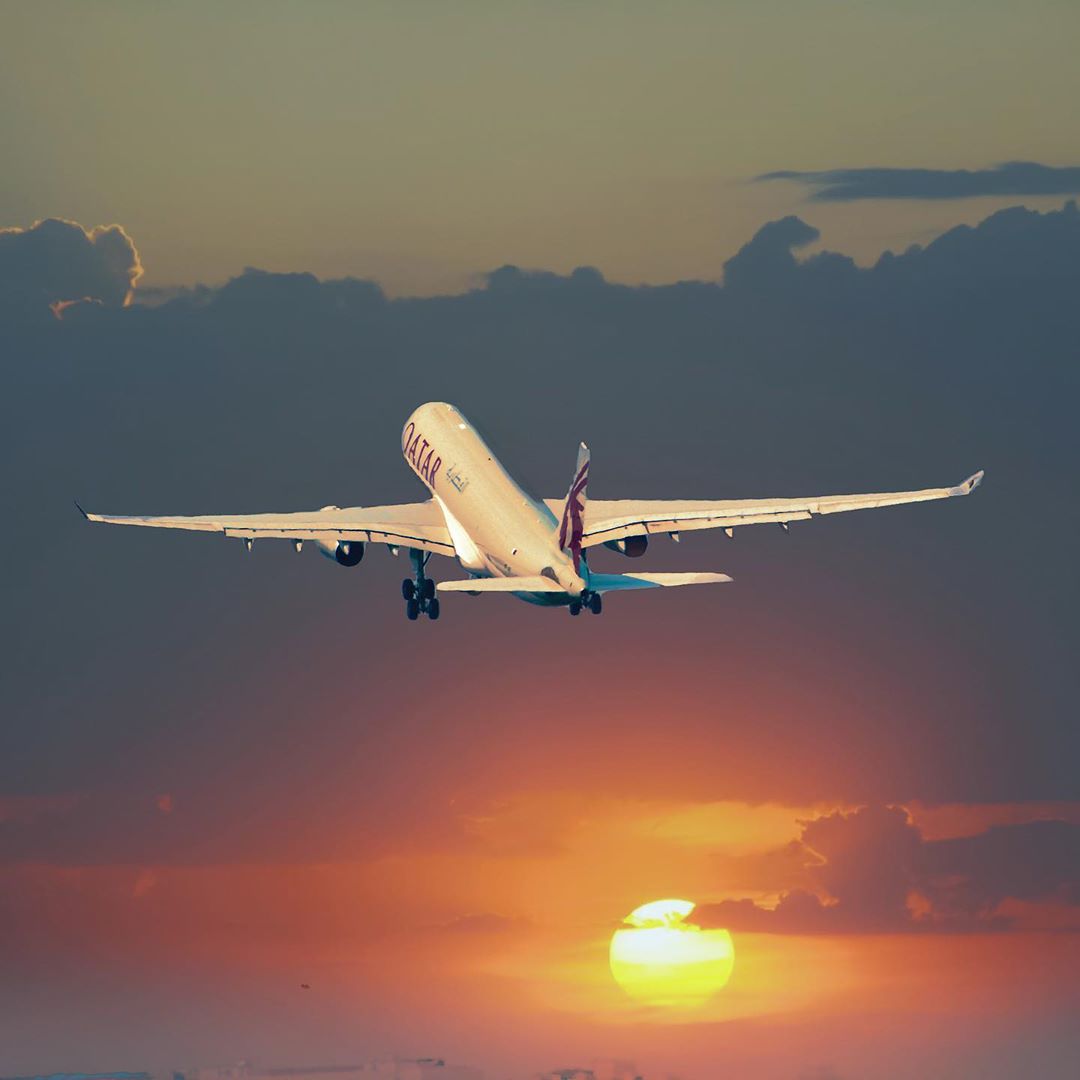
I slutet av augusti förra året så bjöd Leif in till quiz på Conendums AW, det var en frågesport om landet där fina priser utlovades.

Jag hade turen att ro hem första priset vilket innebar en tur och retur från Stockholm till Colombo.

Jag och Lousie bokade resan och flög till Colombo i början av februari.

Från -5 och slask till + 32 och magiska solnedgångar.

Vi hade inga förväntningar på Sri Lanka, Leif tipsade oss om att bo i Ahangama där vi var under hela resan.

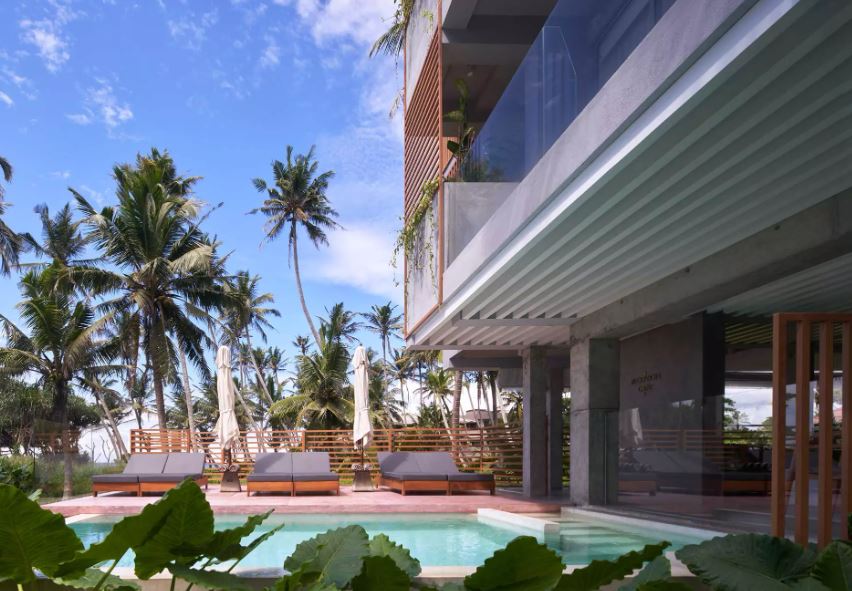
I efterhand borde vi bott på 2-3 Hotell, som ni läser så bodde vi på ett hotell som förvisso var fantastiskt. Harding Boutique Hotel.

Bra service, fina rum och läget där man från frukosten kunde gå 30 meter för att sedan stå på stranden och ta dagen första dopp.
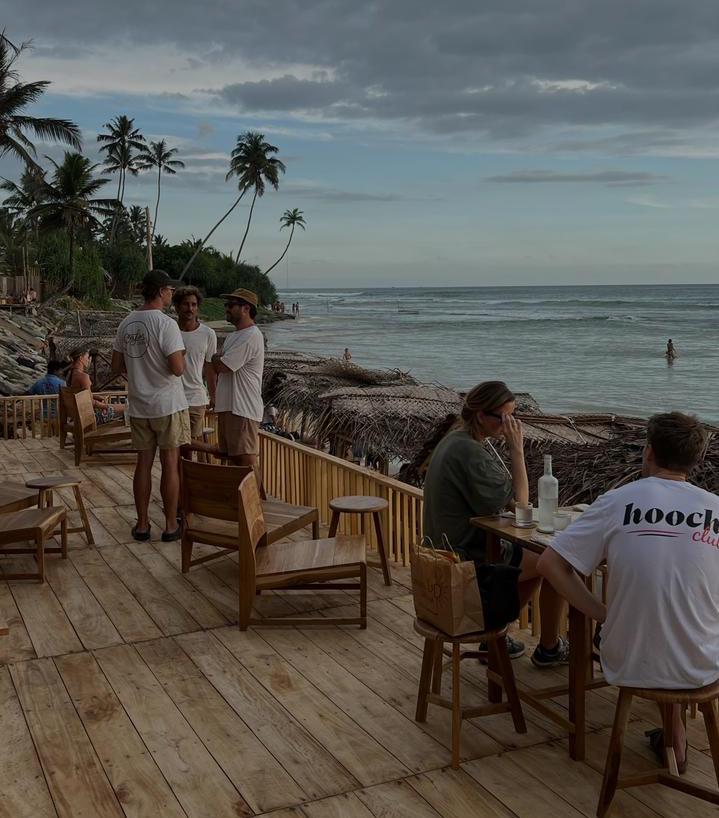
Vi spenderade dagarna med sol & bad, yatzy och fia med knuff på strandkrogarna som vi tyckte höll en bra nivå när det kommer till kök, service och pris.

Man märker att Ahangama är ett surfparadis, fullt med surfare från tidig morgon till sen kväll, jag själv testade på att surfa i 1 timme, envis som jag är, så behövdes ingen lärare där man kunde få en introduktion. Det var en tuff timme, där jag efter 5 minuter insåg att jag nog borde tagit den där lektionen…

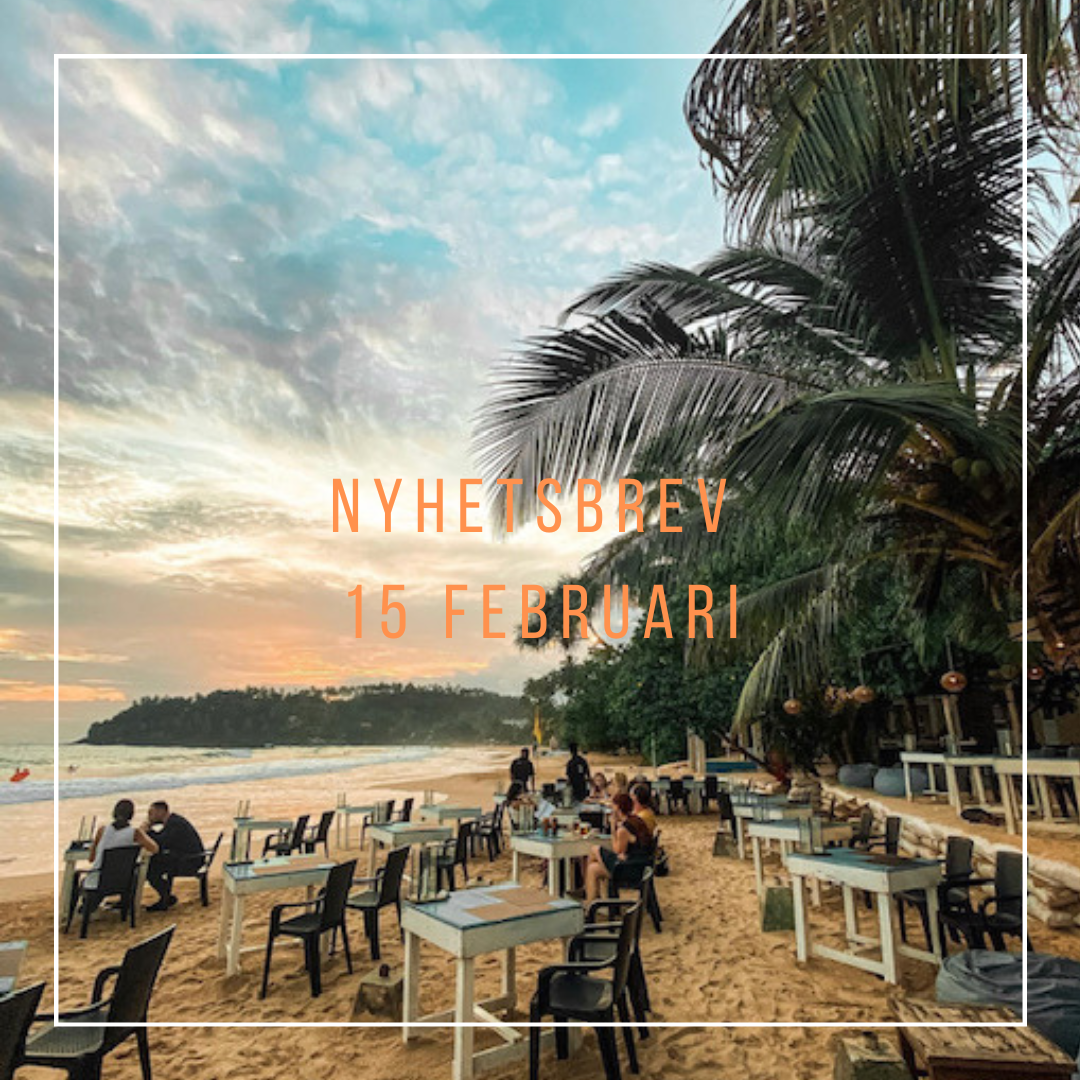
Ahangama bjuder på fantastiska solnedgångar, sätt er vid stranden ta in en drink och njut.

När det kommer till mat så fastnade vi för Ceylon Sliders som precis öppnade upp sitt andra ställe.

Ceylon Sliders drivs av en svensk familj som jag förstått det vilket gjorde det ännu roligare att vara där både på lunch och middag.
Sista kvällen i Sri Lanka så tog vi in på hotell i Colombo för att kunna ha nära till flygplatsen innan resan hem.

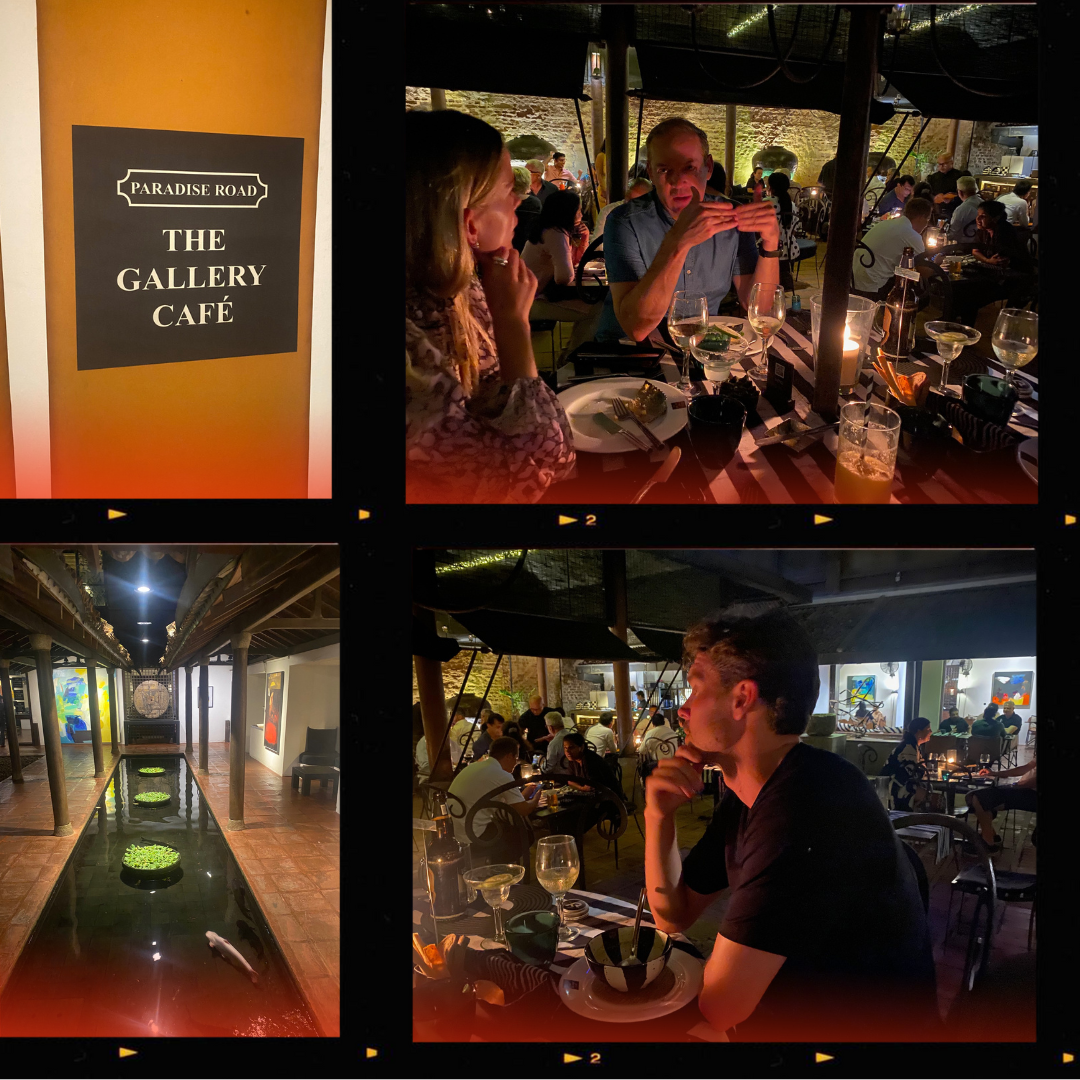
Vi träffade Leif som visade oss runt och tog oss med på både en drink i solnedgången och på resans godaste matupplevesel. The Gallery Café!
Kommer vi åka tillbaka till Sri Lanka?

Garanterat!